Republic of Kazakhstan
Email: ccasc@kimep.kz
This weekly section provides an overview of key political, economic, and social developments across the five Central Asian states. It highlights the region’s most relevant policy trends, international engagements, and sectoral updates in areas such as energy, digital development, environment, and finance. The section is compiled and edited by Maryam Agharabi, Coordinator of the China & Central Asia Studies Center. For enquiries, you may contact maryam.agharabi[a]kimep.kz.
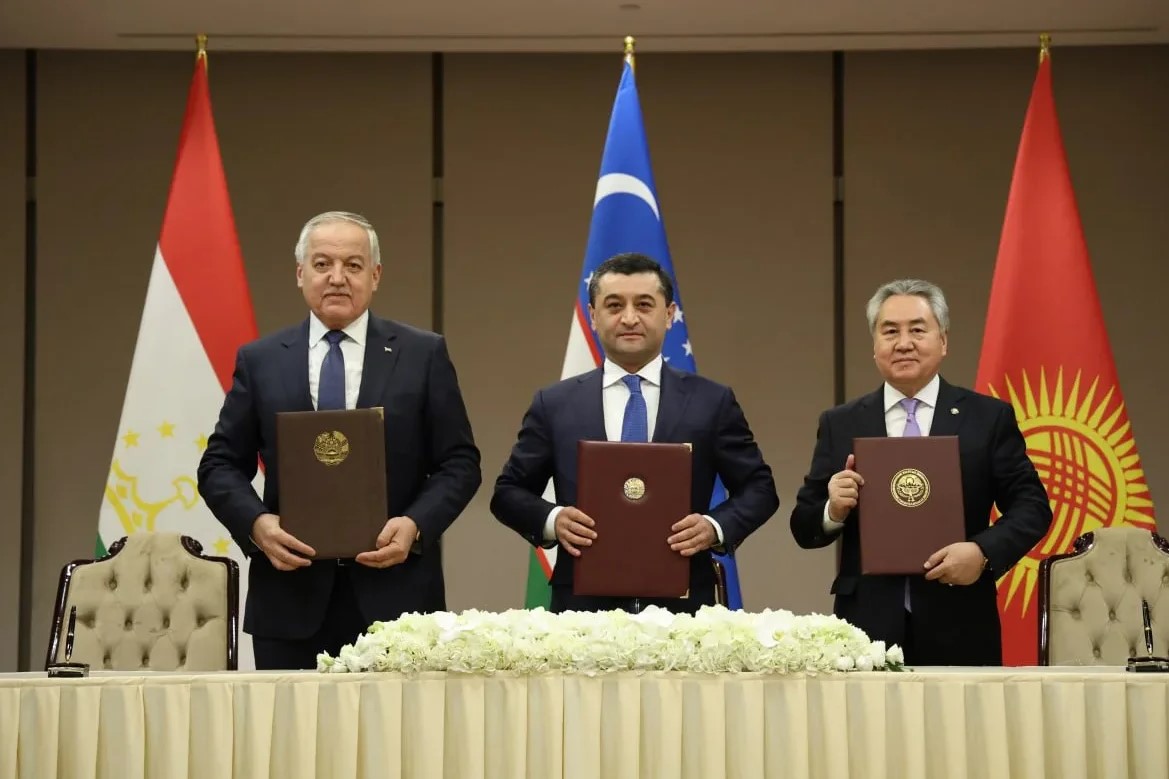
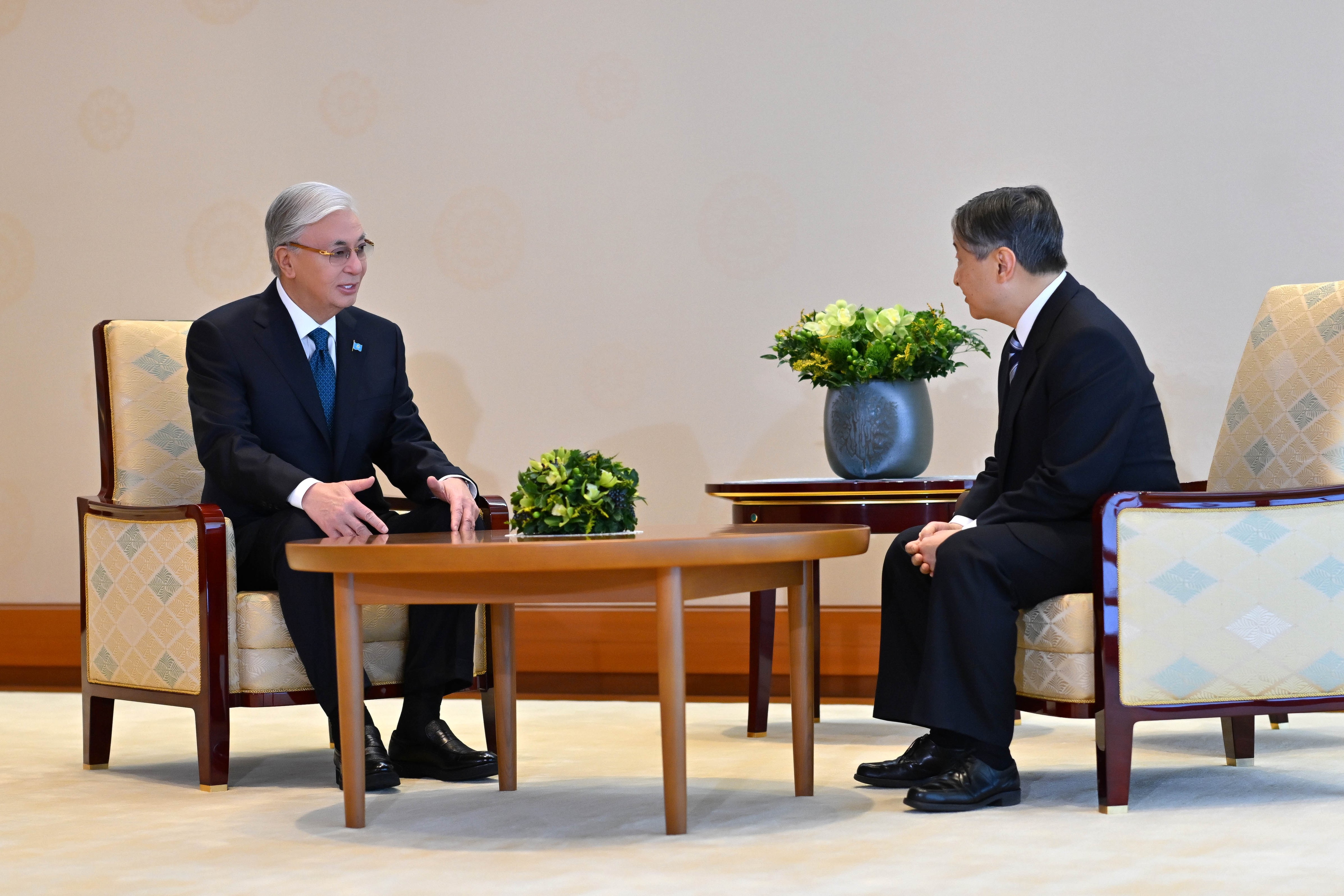
The penultimate week of 2025 was marked by a historic "Tokyo Pivot," as the leaders of all five Central Asian nations converged in Japan for the first-ever Central Asia + Japan Summit. This week represented a transition from purely regional diplomacy to a broader strategic partnership with Japan, focused on high-tech connectivity, green energy transition, and human capital. While the heads of state were in Tokyo, the domestic front saw the finalization of monumental infrastructure and border agreements. Notably, the China-Kyrgyzstan-Uzbekistan (CKU) railway project secured its primary financing, and the trilateral border junction between Kyrgyzstan, Tajikistan, and Uzbekistan was officially ratified. This period cemented the region's 2026 trajectory: a focus on "Green Resilience" and the hardening of legal and physical infrastructure.

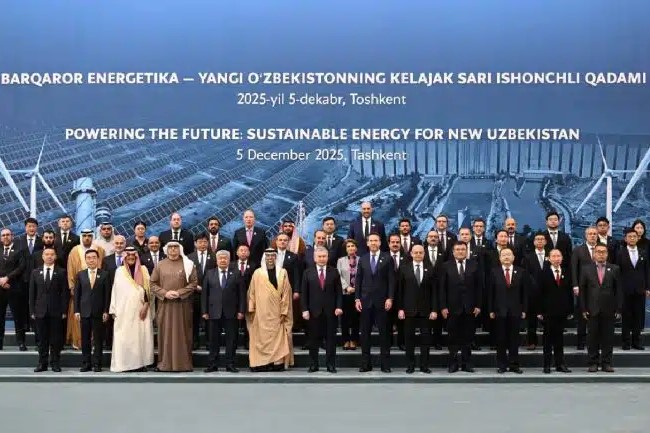
The first week of December 2025 served as a bridge between a record-breaking year of regional growth and a looming 2026 defined by austerity and energy constraints. While economic forecasts from the Eurasian Development Bank (EDB) projected a robust finish for the year—particularly for Kyrgyzstan and Tajikistan—the internal narrative in Uzbekistan and Kazakhstan shifted toward emergency readiness. In Tashkent, the government launched a massive infrastructure drive to prevent a winter grid collapse, while in Astana, the focus turned to a cooling business climate and the challenges of meeting OPEC+ oil quotas. This week confirmed that the "low-hanging fruit" of post-pandemic recovery has been picked, and the region is now entering a phase where structural resilience will be the only currency that matters.

The final week of November 2025 was defined by the transition into "winter diplomacy," where the region's energy interdependencies were formally codified to prevent a repeat of previous blackouts. A landmark trilateral energy protocol between Kazakhstan, Uzbekistan, and Kyrgyzstan served as the week's strategic anchor, trading electricity for water security in 2026. This period also saw Kazakhstan take a global lead in digital ethics with the signing of the first comprehensive Law on Artificial Intelligence in the region. Politically, the week was bookended by high-level state visits and the conclusion of Kyrgyzstan's parliamentary elections, signaling a push for institutional stability before the year-end holidays.
The third week of November 2025 was defined by a transition from high-level geopolitical posturing to the practicalities of regional survival. The defining event was the Almaty Energy Summit, where Kazakhstan, Uzbekistan, and Kyrgyzstan moved beyond years of seasonal disputes to sign a legally binding "Electricity-for-Water" protocol. This agreement serves as the region's primary defense against a projected 2026 drought. Simultaneously, the legal map of the region was permanently altered as Kyrgyzstan, Tajikistan, and Uzbekistan finalized the ratification of their trilateral border junction, effectively closing a 30-year chapter of territorial ambiguity in the Fergana Valley. While state-level cooperation reached a zenith, the economic data from the ground suggested a cooling period, with Kazakhstan’s business sentiment dipping as enterprises braced for the 2026 fiscal cycle.
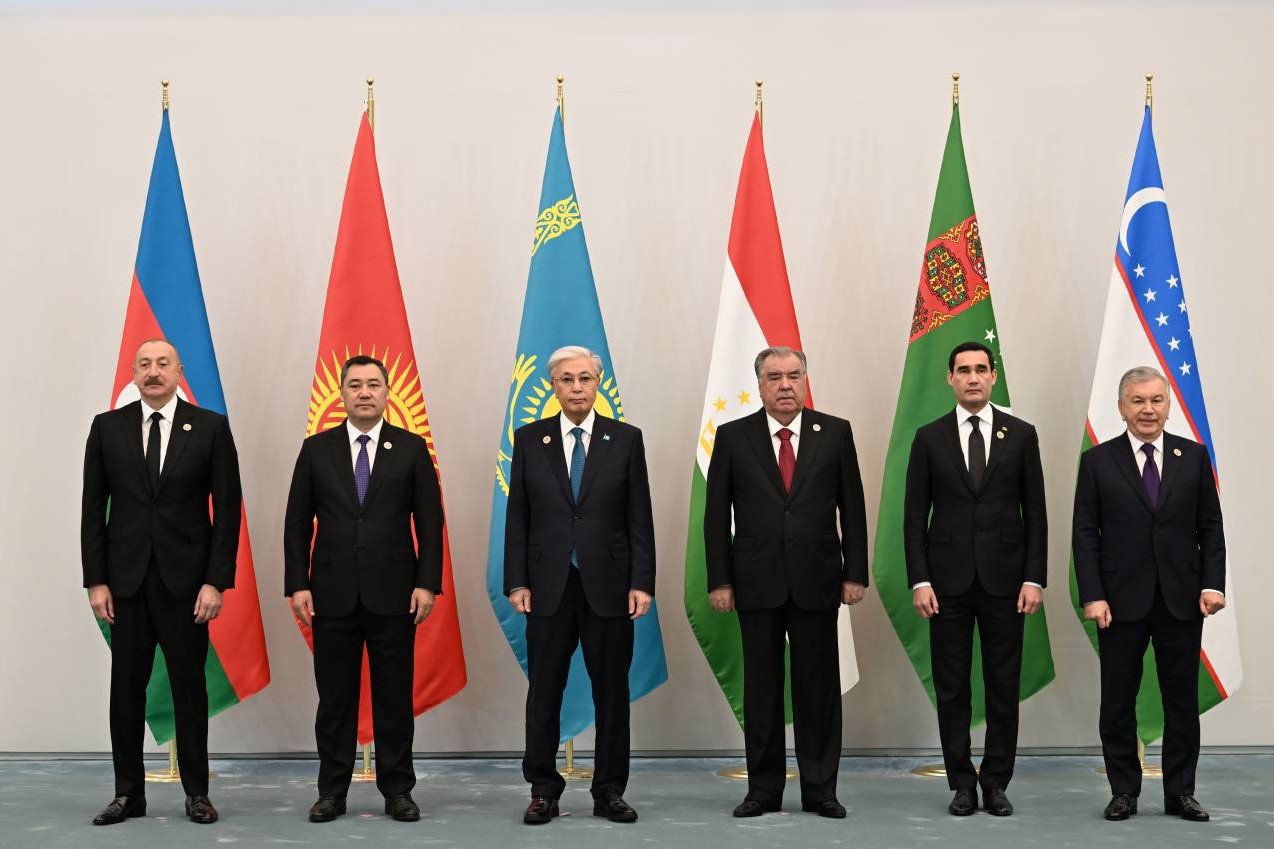
The second week of November 2025 was a high-water mark for Central Asian diplomacy, characterized by the 7th Consultative Meeting of Heads of State in Tashkent. This summit effectively reshaped the regional map, both legally—through the ratification of the trilateral "Border Junction Point"—and geopolitically, by welcoming Azerbaijan as a full-fledged participant in the consultative process. While leaders celebrated a "unified space of cooperation," technical bodies in Ashgabat were locked in difficult negotiations over 2026 water quotas. The week concluded with a stark realization of the fiscal trade-offs ahead, as Kazakhstan’s government signaled aggressive cuts to social spending to stabilize the 2026 budget.
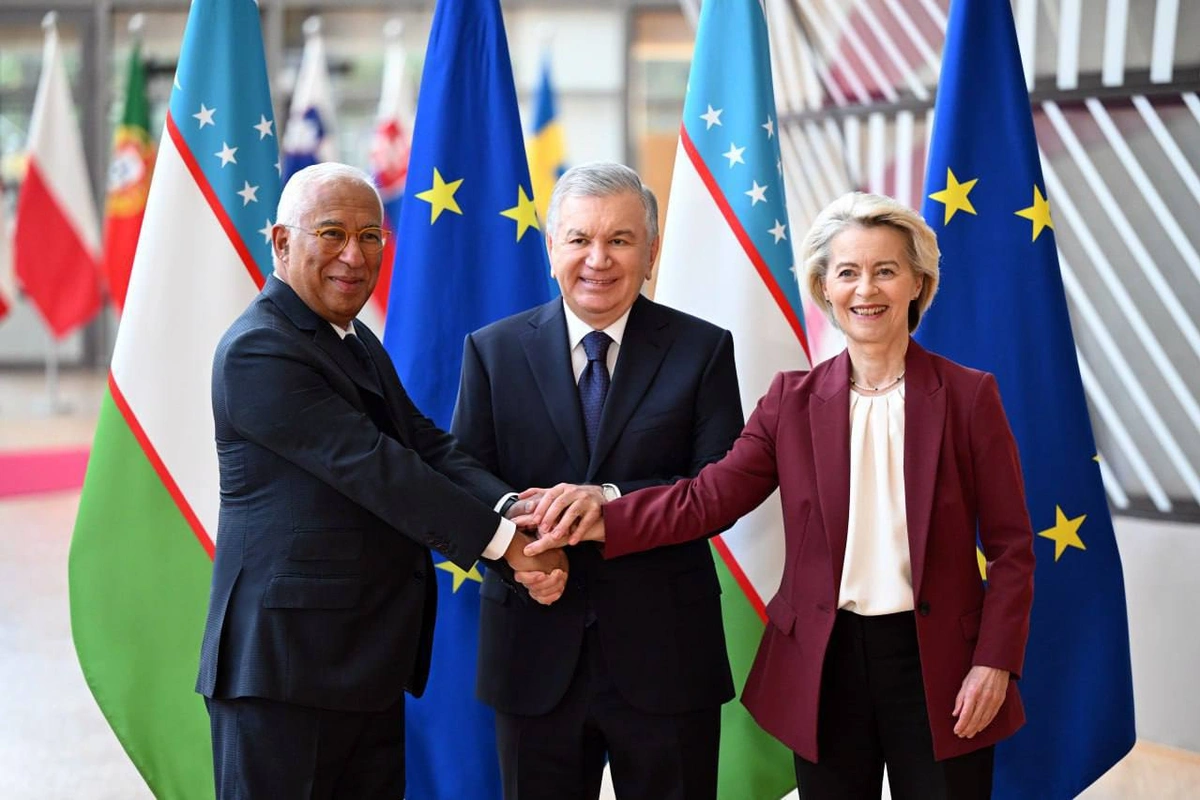
This past week, regional headlines were led by Brussels, where Uzbekistan and the European Union signed a long-awaited Enhanced Partnership and Cooperation Agreement (EPCA) and used an EU–Uzbekistan business forum to unveil a pipeline of new projects worth over €10 billion. Connectivity stayed high on the agenda as the EU announced it would table a new cooperation proposal for the Trans-Caspian, or Middle Corridor, at a Tashkent investors’ forum, while Kazakhstan and Azerbaijan agreed to deepen energy and transport cooperation along the same route. Central Asian governments also moved on macroeconomic management and financial credibility: Uzbekistan kept its policy rate at 14 percent as inflation eased and gold exports reached a new record, while Moody’s upgraded Kyrgyzstan’s credit outlook to Positive. Kazakhstan’s growth prospects remained robust in IMF projections and were backed by heavy telecoms investment and nationwide internet-access plans. At the same time, regional security cooperation continued through joint drills and a Samarkand meeting on military-technical ties, and new initiatives in logistics, waste management, and digital skills pointed to an increasingly dense web of sectoral cooperation across the region.
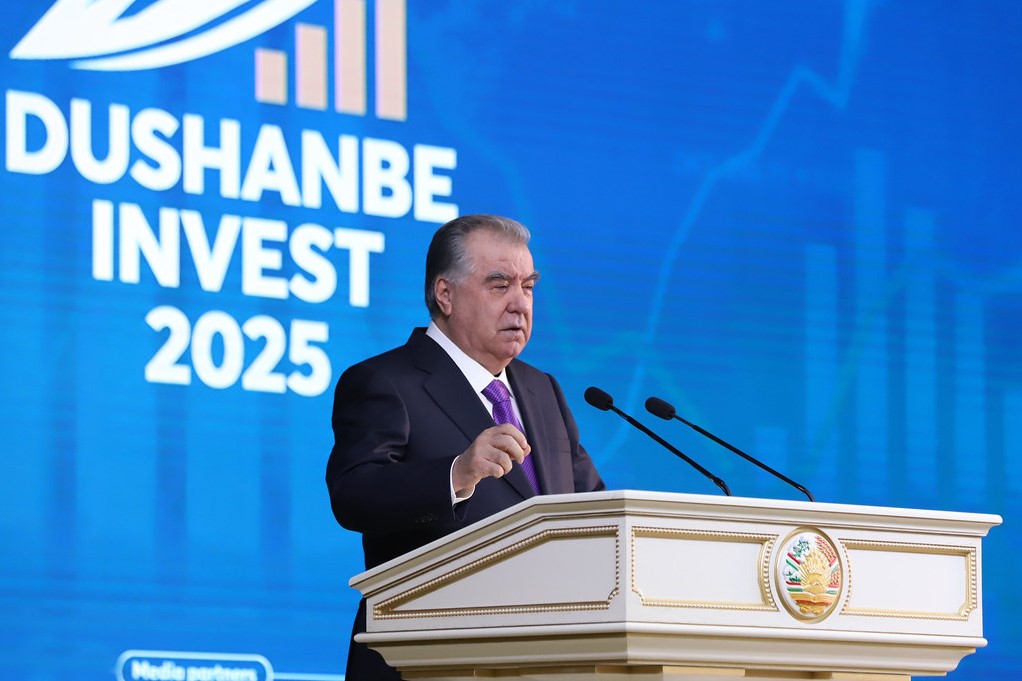
After a week of high-level summits, Central Asia’s focus shifted to implementation and new initiatives across energy, finance, and regional cooperation. Uzbekistan pursued a busy diplomatic schedule, strengthening partnerships with Saudi Arabia, Russia, China, Japan, and South Korea while announcing plans for a new international airport near Tashkent and signing a PPP to modernize Urgench Airport. In Tajikistan, the Digital Tajikistan 2025 forum and the Dushanbe Invest 2025 conference placed digital transformation and the green economy at the top of the national agenda. Kazakhstan managed the immediate effects of its rate hike as mortgages paused and the tenge weakened, while preparing for winter energy shortages and increasing electricity imports from Russia. The region also saw progress on Kambarata-1 hydropower financing, steady oil exports through the CPC, and some new updates on nuclear energy. Security cooperation continued to deepen with CSTO exercises in Tajikistan and a meeting of CIS security chiefs in Samarkand, while new developments in aviation, healthcare, and tourism reflected the region’s growing connectivity.
This week’s regional agenda was dominated by high-level diplomacy in Dushanbe, where Central Asian leaders joined Russian President Vladimir Putin and other CIS heads for the Central Asia–Russia summit (Oct 9) and the CIS Heads of State Council (Oct 10). Leaders emphasized security coordination, economic ties, and a proposed “CIS Plus” outreach format. Alongside the summits, Kazakhstan tightened monetary policy with a surprise rate hike and reported stronger reserves. Uzbekistan advanced its regional-cooperation pitch—from Afghanistan reconstruction to investment climate reforms—and engaged UNICEF on Afghan humanitarian coordination. The week also saw fresh items on regional infrastructure and energy, plus a headline-grabbing note from space as the first Kazakh woman completed a Blue Origin suborbital flight.