
The third week of January 2026 marked the beginning of a "Technical Implementation" phase for the region’s primary strategic goals. In Kazakhstan, the legal landscape was fundamentally shifted by the signing of the first-ever Digital Code, establishing a systemic framework for digital human rights and governance. Simultaneously, the region’s chronic water and energy anxieties were addressed through a series of trilateral "Barter Protocols" between Kazakhstan, Uzbekistan, and Kyrgyzstan, designed to exchange winter electricity for summer irrigation water. While regional diplomacy progressed, security narratives were dominated by the release of the 2026 Global Firepower Index, which sparked debate by ranking Uzbekistan as the region’s premier military power.
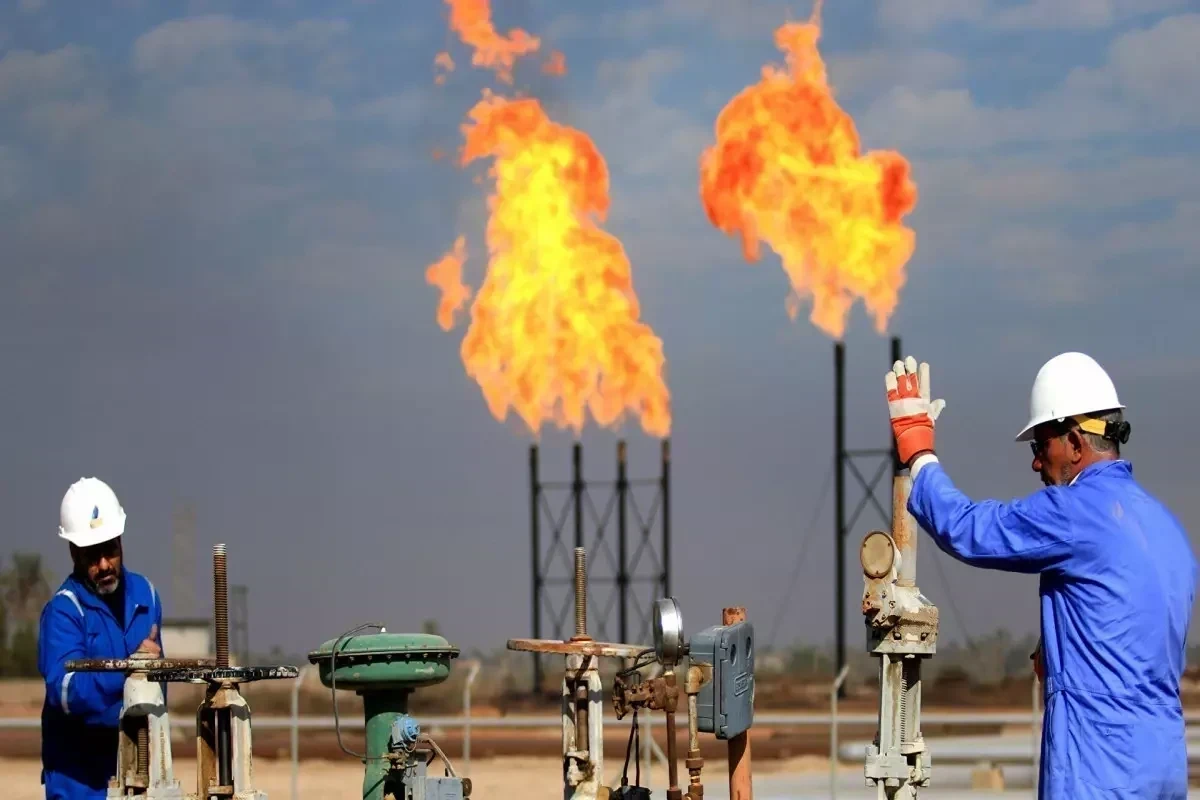
Uzbekistan plans to increase gas production output. Source: Daryo
Diplomacy and Connectivity
The defining connectivity story of the week was the formalization of the Khorgos-Eastern Gate Multimodal Hub. On January 12, 2026, the Kazakh Ministry of Transport, alongside a Kazakh-German joint venture, announced the construction of a new international cargo and passenger airport near the Chinese border. This project is the lynchpin of the "Air-Rail-Auto-Air" transport model, intended to reduce trans-Eurasian delivery times by integrating the Khorgos SEZ directly with global aviation routes (The Times of Central Asia; Caspian Policy Center). On the diplomatic front, the UN Special Representative Kaha Imnadze briefed the Security Council on January 15, emphasizing that the "Tokyo Initiative" signed in late 2025 has successfully pivoted Central Asian diplomacy toward a more unified bargaining position with Japan and the West (Security Council Report).
Economic Policy, Trade, and Finance
In Uzbekistan, President Shavkat Mirziyoyev issued a mandate to Uzbekneftegaz on January 14 to stabilize the country's volatile energy sector. The directive sets a minimum gas output goal of 25.4 billion cubic meters for 2026, a 1.6% increase intended to curb the winter heating deficits that plagued the region in previous years (Interfax). In Tajikistan, a significant fiscal scandal broke this week as an independent audit of the Rogun Dam project uncovered a $540 million discrepancy in authorized capital accounts, prompting calls for increased transparency as the project seeks $3 billion in final-stage international financing (Caspian Policy Center).
Climate Change and Environmental Sustainability
Technical water diplomacy saw a major breakthrough on January 17, 2026, in Cholpon-Ata. Water and energy agencies from Kazakhstan, Kyrgyzstan, and Uzbekistan signed a package of protocols to manage the Naryn-Syr Darya basin. The agreement outlines a critical swap: Kazakhstan and Uzbekistan will provide electricity to Kyrgyzstan during the peak winter months to prevent the over-release of water from the Toktogul reservoir, ensuring that sufficient water is stored for the 2026 summer irrigation season in southern Kazakhstan and Uzbekistan (Kazakhstan Today).
Digital Transformation and Infrastructure
On January 12, 2026, President Kassym-Jomart Tokayev signed Kazakhstan’s Digital Code, a landmark document that consolidates the country's fragmented digital laws into a single framework (Kazakhstan Today). This Code is the first in the region to explicitly define "Digital Human Rights," including the right to a digital identity and protection against discriminatory algorithms. It also sets the stage for the National Biometric Authentication System, which began its rollout during this week as the mandatory interface for all government services (DigitalRights.asia).
Security and Defense Cooperation
The security landscape was analyzed through the lens of the 2026 Global Firepower Index, released during this reporting period. The index ranked Uzbekistan as the strongest military in Central Asia (53rd globally), followed by Kazakhstan (58th). The report highlighted Uzbekistan’s significant manpower and recent modernization of its armored vehicle fleet as the deciding factors (Kun.uz). Meanwhile, in Tajikistan, security forces remained on high alert following a reported cross-border skirmish in the Gorno-Badakhshan (GBAO) region, where Chinese nationals were caught in a clash launched from Afghan territory, underscoring the persistent volatility of the southern frontier (Security Council Report).