China & Central Asia Studies Center
Details
Category: Past events
Published: 17 September 2024
Hits: 3103
Image
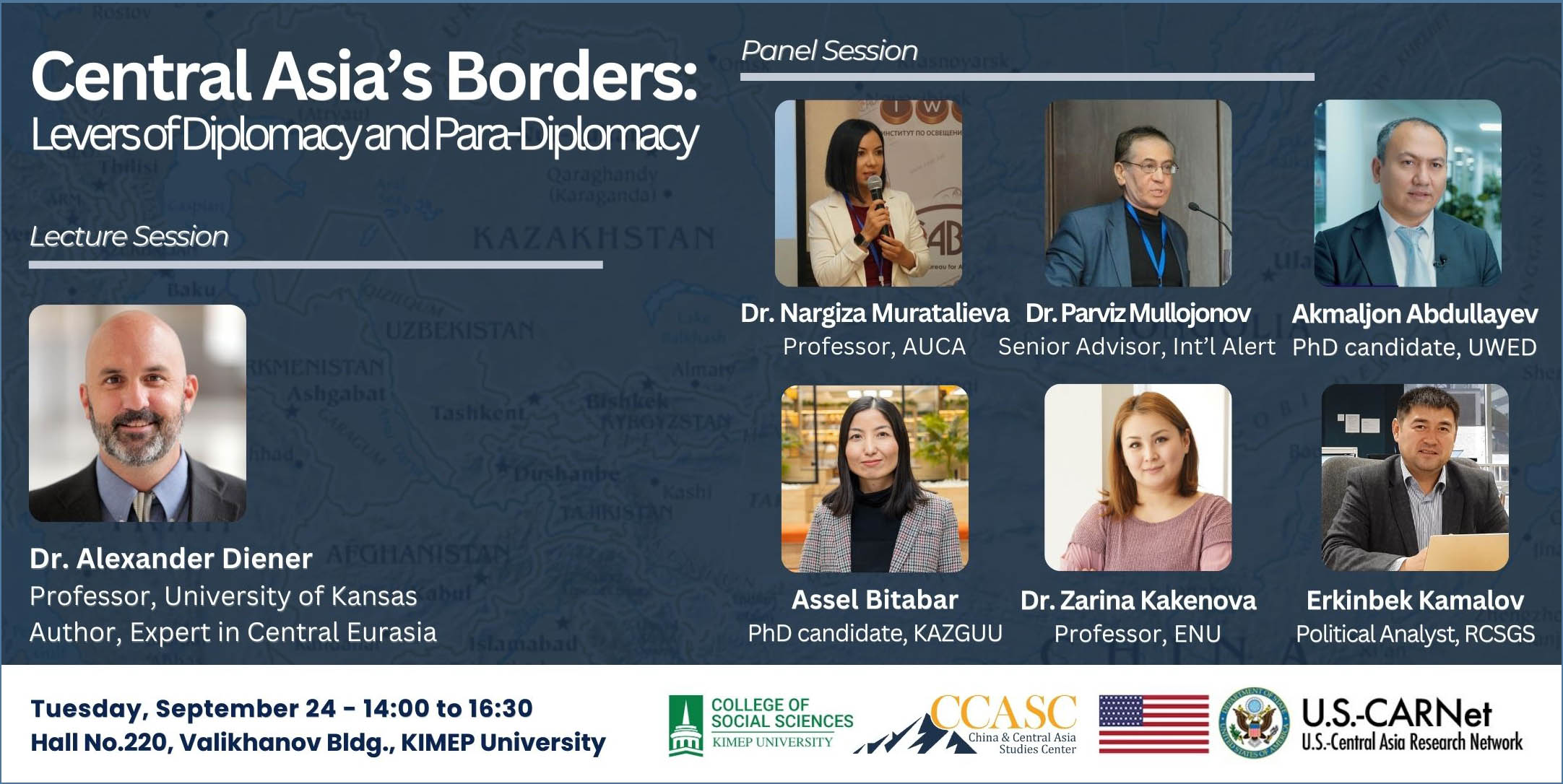
On Tuesday, September 24, 2024, a distinguished panel of scholars and experts will convene to discuss and share their ongoing research projects addressing topics such as border politics and diplomacy in Central Asia and the broader dynamics of China-Central Asia relations. The speakers are members of the U.S.-Central Asia Research Network (U.S.CARNet), a collaborative network of scholars from Central Asia and the United States with a focus on East Asia and China Studies. The network is organized and supported by the American Councils for International Education.

This research dialogue is hosted by the China & Central Asia Studies Center at the College of Social Sciences, KIMEP University, in collaboration with the American Councils' regional office in Almaty.


  • Date: Tuesday, September 24, 2024
  • Time: 14:15 to 16:30
  • Format: In-Person 
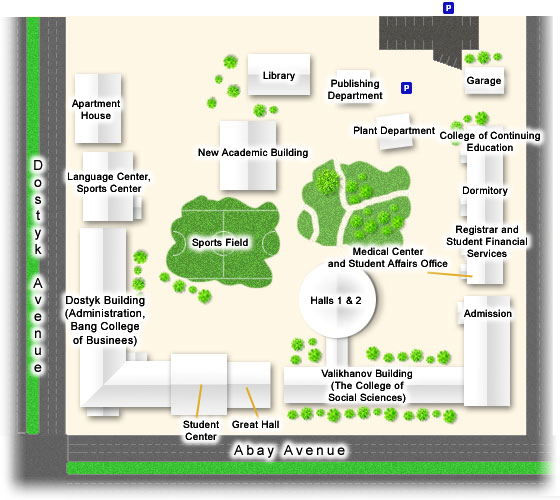
  • Location: Hall No.220, Valikhanov Building
  • Working Language: English


Format: The program is divided into two sessions. The first is a lecture by Professor Alexander Diener titled "Central Asia’s Borders: Levers of Diplomacy and Para-Diplomacy." This will be followed by a panel session featuring six Central Asian scholars from the research network, who will present their joint research projects conducted in partnership with their U.S.-based counterparts.

Lecture Session (14:30 - 15:10)

Image
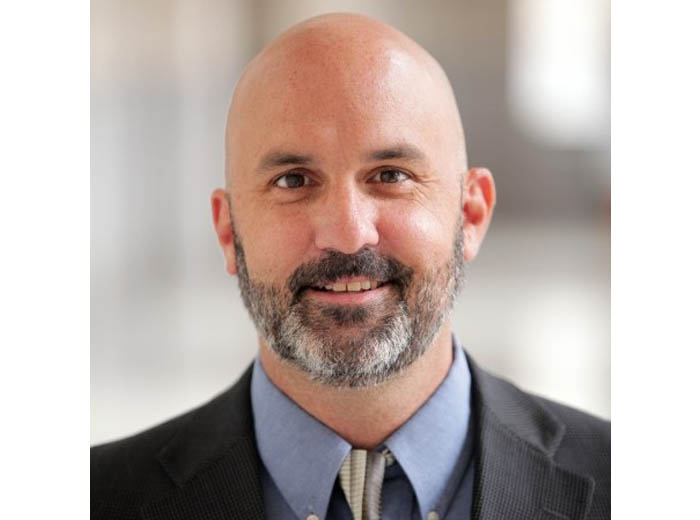
Dr. Alexander Diener is a Professor of Geography at the University of Kansas, and an affiliated faculty with the Center for Russian, East European, and Eurasian Studies, Center for East Asian Studies, Center for Migration Research, and Environmental Studies. Throughout his career, Alex has worked at the nexus of political, social, economic, and cultural geography, engaging topics such as place attachment, geopolitics and borders, identity and migration, citizenship, development and mobility, and urban landscape change. He possesses area studies expertise in Central Eurasia (the Central Asian states, Russian Borderlands, and Islamic Borderlands) and Northeast Asia (Mongolia, Chinese, and Russian Borderlands). His lecture is titled "Central Asia’s Borders: Levers of Diplomacy and Para-Diplomacy".

Panel Session (15:25 - 16:15)

Image
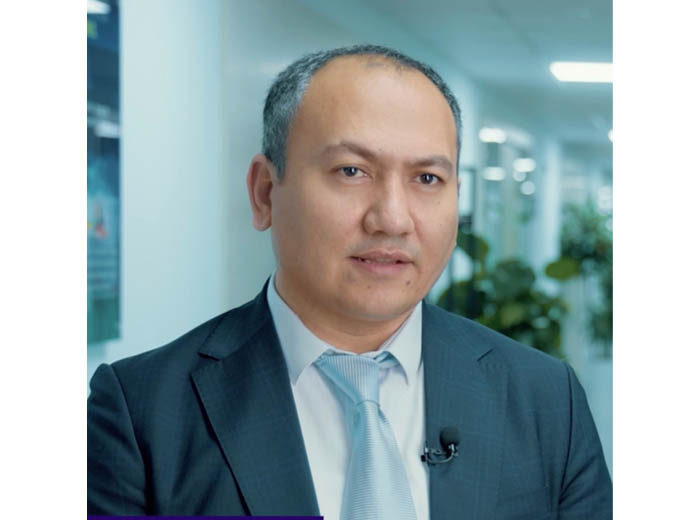
Akmaljon Abdullayev is a Ph.D. candidate at the University of World Economy and Diplomacy (UWED). His research focuses on collective activism in Central Asia. He holds a BA degree from the UWED and master's degrees from the OSCE Academy in Bishkek and the University of St Andrews. Akmaljon has participated in several international conferences and received research awards including Marie Curie RISE Horizon 2020, the CSSA, and completed Brown International Advanced Research Institute as well as the ReSET of the HESP Program. In addition to academia, Akmaljon has been supporting projects implemented by the UNDP in Uzbekistan. 
Image
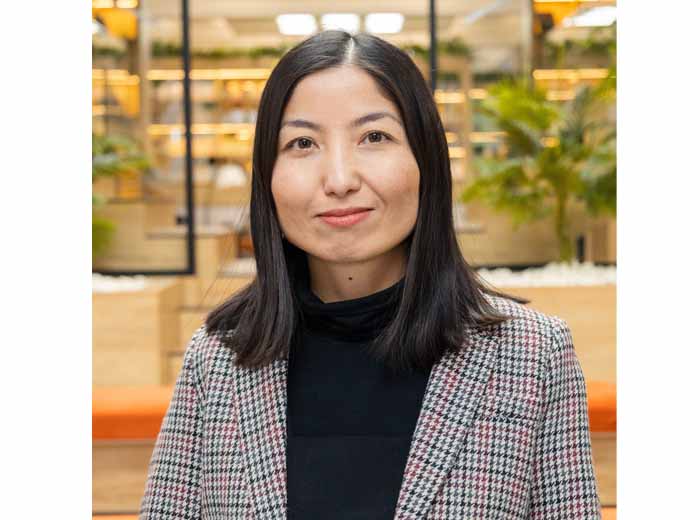
Assel Bitabar is a PhD candidate and teaching professor at the International School of Economics, M. Narikbayev KAZGUU University. She completed her master’s degree in history and area studies from Hokkaido University in 2012. Her current research project focuses on Sino-Central Asian relations, particularly how China and the three Central Asian states – namely, Kazakhstan, Kyrgyzstan, and Tajikistan – perceive each other. Her research interests also include Chinese foreign policy, Kazakhstan’s foreign policy, critical geopolitics, knowledge production, and intersubjectivity.
Image

Dr. Zarina Kakenova is a faculty in the field of International Relations, based at the L.N. Gumilyov Eurasian National University in Astana, Kazakhstan. She earned her PhD in International Relations from the same university in 2017, following her Master's and Bachelor's degrees in the field. Dr. Kakenova has held various academic roles, including Acting Associate Professor and Senior Lecturer, contributing extensively to the academic community through numerous publications and conference participations. Her work primarily focuses on geopolitical dynamics, with notable publications on the strategic relationships between Central Asia and major world powers.
Image
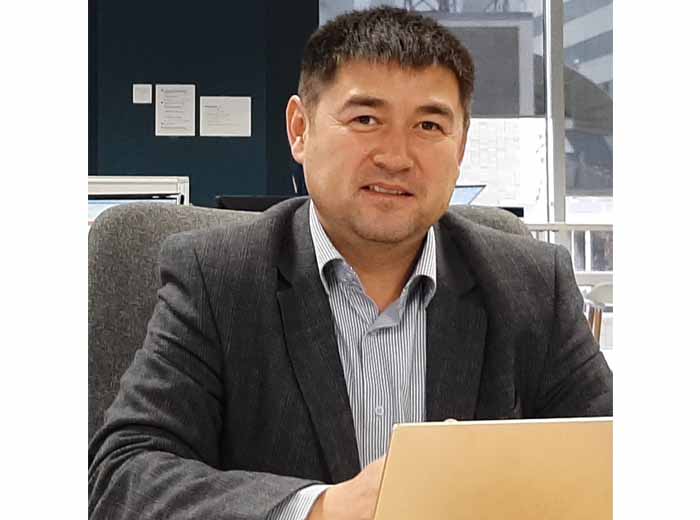
Erkinbek Kamalov is a political analyst at the Research Center for Security and Geopolitical Studies and is currently based in Jalal-Abad, Kyrgyz Republic. Previously he worked as Central Asia Researcher for the Platform for Peace and Humanity think tank, covering labor migration, gender, and human rights within Eurasia. He writes in Kyrgyz, English, and Russian, and frequently communicates his views on international politics and socioeconomic developments within the Region via local media outlets. He has an M.A. in Political Science from OSCE Academy in Bishkek and completed fellowships at the Indian Institute of Mass Communication and Meio University of Okinawa in Japan.
Image

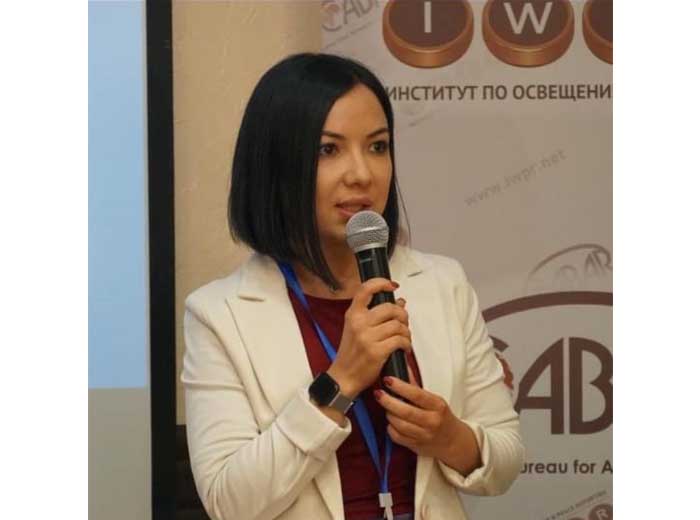
Dr. Nargiza Muratalieva holds a PhD in political science and is an associate professor at the American University of Central Asia (Kyrgyzstan). Her thesis was devoted to “Regional policy of Russia and China in Central Asia and the SCO as a factor of interaction.” She used to work as an editor-in-chief of CABAR.Asia– a project of the Institute for War and Peace Reporting. Author of the monograph “Russia and China in Central Asia”, co-author of about 10 monographs, and author of more than 50 analytical articles in online publications and peer-reviewed publications, her broad research interests include geopolitics and international relations in Central Asia, regional cooperation, and regional security.
Image

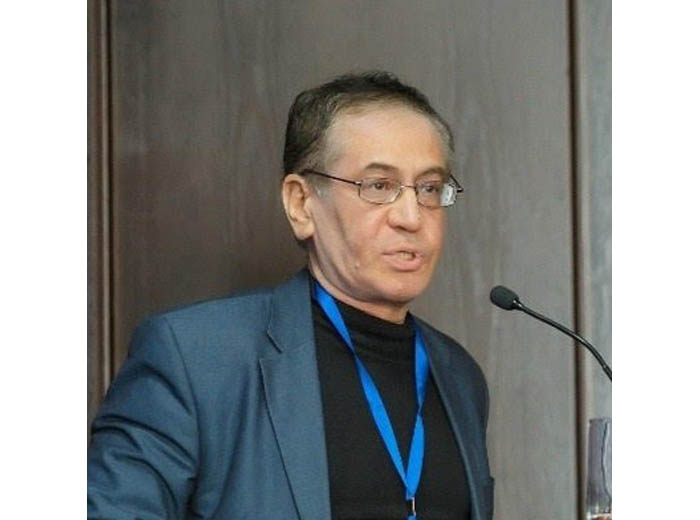
Dr. Parviz Mullojonov serves as a senior advisor on Central Asia in Dushanbe for the UK-based organization International Alert. He has authored publications on topics ranging from youth development and political participation to regional peace-building efforts in Central Asia. His current research interests focus on China’s development of strategic relationships in Central Asia during the perceived diminishment of Russia’s influence due to the war in Ukraine. A former visiting researcher at Paris's School of Advanced Studies in the Social Sciences (EHESS), Dr. Mullojonov received his PhD in Islamic studies from Basel University. He was board chairman of the Open Society Institute in Dushanbe and is a former member of the EU and Central Asia Monitoring group. He has also worked for Human Rights Watch, the UNCHR, and the UNDP.

Moderator
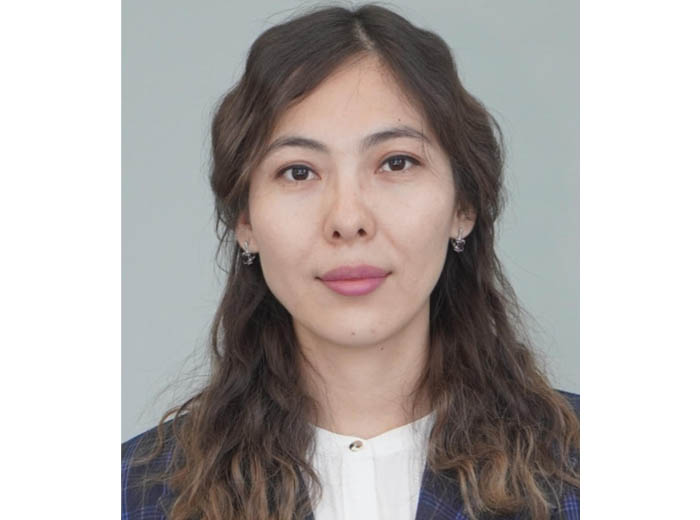
Image

Dr. Assylzat Karabayeva holds a PhD in International Relations from the International University of Japan. Her research focuses primarily on the role of norms (ideas, identity, and culture) in both constraining and strengthening region-building processes in Eurasia. She possesses valuable working experience from her time at the Ministry of National Economy of the Republic of Kazakhstan, where she actively participated in the negotiation processes between Kazakhstan's government and various foreign governments and international institutions, including the WTO, ITC, UNCTAD, WIPO, ASEAN, and the Eurasian Economic Commission. Her other experiences include serving as a visiting scholar at George Washington University’s Institute for European, Russian, and Eurasian Studies, and lecturing at Suleyman Demirel University in Almaty, KIMEP University in Almaty, as well as the International University of Japan in Niigata prefecture.


Participation:
This is an in-person event, open to all interested participants. If you are not a member of the KIMEP community and wish to attend, please contact us via email.
Previous article: Exploring Borders, Identities, and China-Central Asia Relations: A Lecture & Dialogue Session (Event Recap) Prev Next article: Promoting Sustainable Growth and Regional Integration in Central Asia Next